From Conglomerate Titan to Private Wealth Architect: The Enduring Vision of Liang Xinjun
In the dynamic world of global finance, few narratives capture the essence of strategic evolution and profound wealth creation as compellingly as that of Liang Xinjun. A name synonymous with the colossal rise of Fosun International, Liang’s journey transcends the traditional corporate ladder, illustrating a remarkable pivot from a public conglomerate titan to a discreet, yet influential, private wealth architect. His story is not just about accumulating a formidable Liang Xinjun's $3.3B Fortune: Unpacking the Fosun Co-founder's Wealth, but about the foresight to transform and diversify, adapting his investment philosophy to an ever-changing economic landscape.
Liang Xinjun, a Chinese billionaire, investor, and philanthropist, has carved out a unique path, demonstrating how foundational corporate success can be leveraged into a more personalized and agile investment strategy. After years at the helm of one of China's most diversified conglomerates, his decision to step back and establish a family office in Singapore marks a significant chapter in his illustrious career. This article delves into the various facets of his diversified investments, exploring the strategic decisions that have shaped his wealth and influence.
The Fosun Foundation: Building a Global Conglomerate Empire
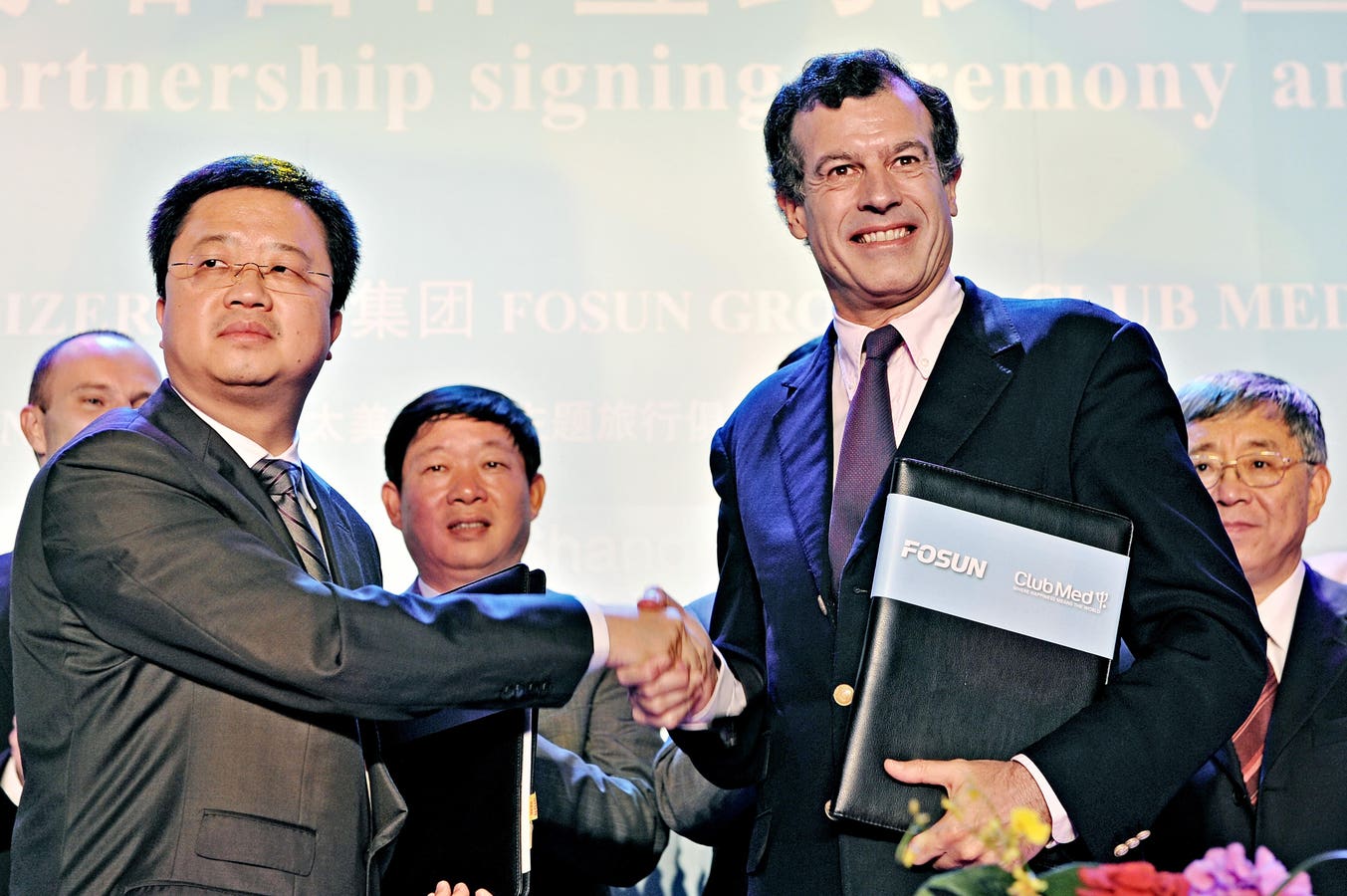
The bedrock of Liang Xinjun’s financial prowess and reputation was undeniably Fosun International. Co-founded by Liang alongside fellow billionaire Guo Guangchang, Fosun rapidly grew from its humble beginnings in the early 1990s into a sprawling, multi-sector conglomerate with a global footprint. As Vice Chairman and CEO, Liang Xinjun was instrumental in steering Fosun's aggressive expansion strategy, which saw the company acquire and invest in a breathtaking array of industries.
Fosun’s investment philosophy was characterized by its diversification, spanning critical sectors that form the backbone of modern economies. From the heavy industries of steelmaking and mining to the more consumer-focused realms of tourism and pharmaceuticals, Fosun's portfolio was designed for resilience and growth. Key investments included stakes in companies like Club Med (tourism) and Portugal's Fidelidade insurance group, showcasing a clear ambition for international reach and strategic asset accumulation. This broad approach allowed Fosun to weather various economic cycles, with different sectors providing stability and growth at different times.
Liang's leadership was marked by a keen eye for undervalued assets and an ability to integrate disparate businesses into a cohesive ecosystem. His tenure at Fosun was a masterclass in conglomerate management, establishing the frameworks for growth and laying the groundwork for the substantial wealth he would later accumulate. This period not only cemented his status as a visionary entrepreneur but also provided him with invaluable experience in managing complex, diversified investment portfolios on a grand scale.
A Strategic Pivot: From Corporate Giant to Private Wealth Architect
In 2017, a pivotal moment arrived in Liang Xinjun's career. Citing health reasons, he announced his resignation from Fosun International, stepping down from his executive roles. This decision was more than just a departure; it was a strategic recalibration. Liang chose to cash out his substantial stakes in Fosun, a move that provided him with immense personal liquidity and the freedom to chart a new course for his wealth management.
This transition signifies a profound shift from the demanding, publicly scrutinized world of corporate leadership to the more private, agile domain of family wealth management. For billionaires like Liang, establishing a family office is a common and highly effective strategy. It offers unparalleled control, discretion, and the ability to pursue investments that align precisely with personal values and long-term vision, free from the quarterly pressures of public markets or the constraints of institutional investors.
Liang Xinjun subsequently moved to Singapore, a global financial hub renowned for its robust regulatory environment, political stability, and attractive ecosystem for high-net-worth individuals and family offices. From this strategic location, he established his personal family office, XIN Family. This move allowed him to orchestrate his diversified investments with greater flexibility, tapping into Singapore's vast network of financial expertise and access to Asian and global markets. The shift underscored his adaptability and foresight, recognizing that different stages of wealth require different management structures.
Liang Xinjun's Net Worth & Diversified Investment Philosophy
The fruits of Liang Xinjun's decades of strategic investing are evident in his remarkable wealth. As of December 2025, Forbes Real-Time Billionaires estimated his Liang Xinjun: How the Self-Made Billionaire Built a $3.3B Empire to be an impressive $3.3 billion, placing him among the world's wealthiest individuals. This substantial fortune is primarily derived from his initial stake in Fosun International, which provided the capital base, complemented by significant personal investments made across various sectors.
Liang’s post-Fosun investment philosophy remains deeply rooted in diversification, though with a potentially more focused and agile approach under XIN Family. His portfolio is described as spanning four key pillars: healthcare, happiness, wealth, and intelligent manufacturing. This framework offers valuable insights into the areas he believes will drive future growth and societal value:
- Healthcare: A sector with enduring demand, especially with an aging global population and increasing focus on wellness and technological advancements in medicine.
- Happiness (Consumer & Lifestyle): Encompasses tourism, leisure, and other consumer-facing businesses that cater to improving quality of life, a natural extension of his Fosun experience with Club Med.
- Wealth (Financial & Asset Management): Investments in financial services, asset management firms, and potentially fintech, leveraging his deep understanding of capital markets.
- Intelligent Manufacturing (Technology & Industry 4.0): Focuses on advanced manufacturing, robotics, AI, and other technologies that are revolutionizing industrial production, indicating a forward-looking perspective on innovation.
This deliberate diversification mitigates risk while capitalizing on high-growth opportunities. Liang’s "self-made score" of 75% further highlights his entrepreneurial spirit and strategic prowess in building this vast fortune from the ground up, rather than inheriting it. His continued engagement in these strategic ventures underlines a commitment to long-term value creation rather than short-term gains. For aspiring investors, Liang's approach offers a powerful lesson: identify core growth sectors, diversify wisely, and maintain a long-term vision.
The Singapore Advantage: XIN Family's Global Reach and Philanthropy
Liang Xinjun's decision to base XIN Family in Singapore is a testament to the city-state's growing prominence as a global hub for ultra-high-net-worth individuals and their family offices. Singapore offers a suite of advantages:
- Political and Economic Stability: A predictable environment crucial for long-term wealth preservation and growth.
- Robust Legal and Regulatory Framework: A clear and transparent system that instills confidence.
- Talent Pool: Access to a highly skilled workforce in finance, legal, and investment management.
- Global Connectivity: A strategic geographical location that provides excellent access to both developed Western markets and the rapidly growing economies of Asia.
- Tax Incentives: Favorable tax regimes designed to attract and retain wealth management entities.
Operating from Singapore allows XIN Family to manage Liang's diverse assets with efficiency and global perspective. While his official citizenship remains Chinese and Shanghai is noted as a residence, his operational base in Singapore highlights a common trend among global billionaires who maintain strong ties to their home countries while leveraging international financial centers for their wealth management operations. This dual presence allows him to remain connected to China's immense economic power while benefiting from Singapore's global financial infrastructure.
Beyond investment, Liang Xinjun is also a recognized philanthropist, with a philanthropy score of 70%. His efforts are particularly focused on education and poverty alleviation, reflecting a commitment to giving back to society. The flexibility and resources of a family office like XIN Family can significantly amplify these philanthropic endeavors, allowing for targeted, impactful giving aligned with his personal values. This integrated approach—combining wealth growth with social responsibility—is increasingly a hallmark of modern billionaire families.
Conclusion
Liang Xinjun’s journey from a co-founder of Fosun International to the helmsman of XIN Family in Singapore is a compelling narrative of entrepreneurial vision, strategic adaptation, and diversified investment. His Liang Xinjun: How the Self-Made Billionaire Built a $3.3B Empire, estimated at $3.3 billion, is a testament to his acumen in identifying growth sectors and executing bold investment strategies. By strategically pivoting from a corporate leadership role to a private family office, he has ensured greater agility and control over his vast holdings, focusing on healthcare, happiness, wealth, and intelligent manufacturing.
Liang's story offers invaluable lessons: the power of diversification in mitigating risk, the importance of adapting one's wealth management strategy to different life stages, and the strategic advantages of global financial hubs like Singapore. As he continues to steer XIN Family, Liang Xinjun stands as a prime example of a global billionaire who masterfully blends commercial success with a profound sense of purpose, continuing to impact both the financial landscape and philanthropic causes.
